Darknet Markets 2026:
The dark web is part of the deep web but is built on darknets: overlay networks that sit on the internet but which can't be accessed without special tools or software like Tor. Tor is an anonymizing software tool that stands for The Onion Router — you can use the Tor network via Tor Browser.
| Darknet Market | Established | Total Listings | Link |
|---|---|---|---|
| TorZon Market | 2022 | 140+ | Onion Link |
| Nexus Market | 2024 | 600+ | Onion Link |
| Abacus Market | 2022 | 100+ | Onion Link |
| Ares | 2026 | 100+ | Onion Link |
| Cocorico | 2023 | 110+ | Onion Link |
Updated 2026-10-27
A Stable Link for Easy Darknet Shopping
A direct Nexus market link provides the fundamental requirement for engaging with its commercial environment: consistent availability. This stable access point is a technical solution to the common challenge of darknet platform volatility, where domains are frequently changed to maintain operational security. By utilizing a verified link, users bypass the unreliable search results from standard browsers, which are often compromised or lead to phishing mirrors.
The mechanism is straightforward. The link serves as a cryptographic gateway, directly connecting the user's Tor browser to the market's active server. This eliminates intermediary risks and reduces the time-sensitive pressure often associated with finding a working address. The result is a more efficient and predictable entry into the marketplace, allowing the user to focus on transactional activities rather than access logistics. This reliability is a prerequisite for the platform's other functions, from browsing product listings to finalizing transactions within the escrow system.
Easy and Secure Shopping on the Darknet
A direct link to the Nexus market provides the most efficient entry point for conducting trade. The platform's design prioritizes a logical workflow, guiding users from product discovery to finalization without unnecessary complexity. The interface categorizes items clearly, and the search function operates with precision, allowing for quick location of specific goods.
The transaction process itself is engineered for security and speed. After selecting an item, the buyer is directed to a checkout where funds are placed into the platform's escrow system. This step is seamless and occurs within a few clicks. Communication tools between buyer and vendor are integrated directly into the order page, facilitating clear dialogue regarding shipping details or product specifications without needing external, less secure methods.
This streamlined approach reduces the time and potential for error in darknet transactions. The combination of an intuitive interface and a secure, integrated financial process means users can engage in commerce with a focus on the trade itself, rather than navigating procedural obstacles.
How Escrow Makes Darnet Drug Trade Safer for Everyone
The escrow system is a fundamental security feature on Nexus, designed to build trust between parties who cannot meet in person. It functions as a neutral third party that holds the buyer's payment securely until the transaction terms are fulfilled. This mechanism directly addresses the inherent risks of darknet commerce, creating a safer environment for trade.
For the buyer, protection begins at the moment of purchase. Funds are transferred to the market's escrow service, not directly to the vendor. The buyer then has a clear window to confirm the product's arrival and verify its quality. If the order is incorrect, never arrives, or is of substandard quality, the buyer can open a dispute. This initiates a mediation process where market moderators review evidence from both sides before deciding to release the funds to the vendor or return them to the buyer. This process discourages scams and fraudulent listings, as vendors only receive payment after proving successful delivery.
Vendors also benefit significantly from this arrangement. The escrow system provides them with a verifiable guarantee of payment. Once they ship the order and provide proof, they can be confident the secured funds will be released upon finalization by the buyer or a successful dispute resolution. This reduces the risk of buyers falsely claiming non-receipt. The system incentivizes professional vendor behavior, as a history of successful escrow releases builds a positive reputation, which is crucial for attracting more customers on the platform.
The operational flow is straightforward:
1. A buyer places an order and payment is held in escrow.
2. The vendor ships the product and updates the order status.
3. Upon receipt, the buyer finalizes the order, releasing escrow to the vendor.
4. If an issue arises, the dispute process freezes the funds until resolution.
This creates a balanced ecosystem where both parties have secured interests. The buyer's capital is protected from non-delivery, and the vendor's product effort is protected from theft. The escrow system, therefore, is not just a payment tool but the primary institutional framework that enables efficient and secure anonymous trade on the Nexus market.
How Variety on the Darknet Makes Buying Drugs Better
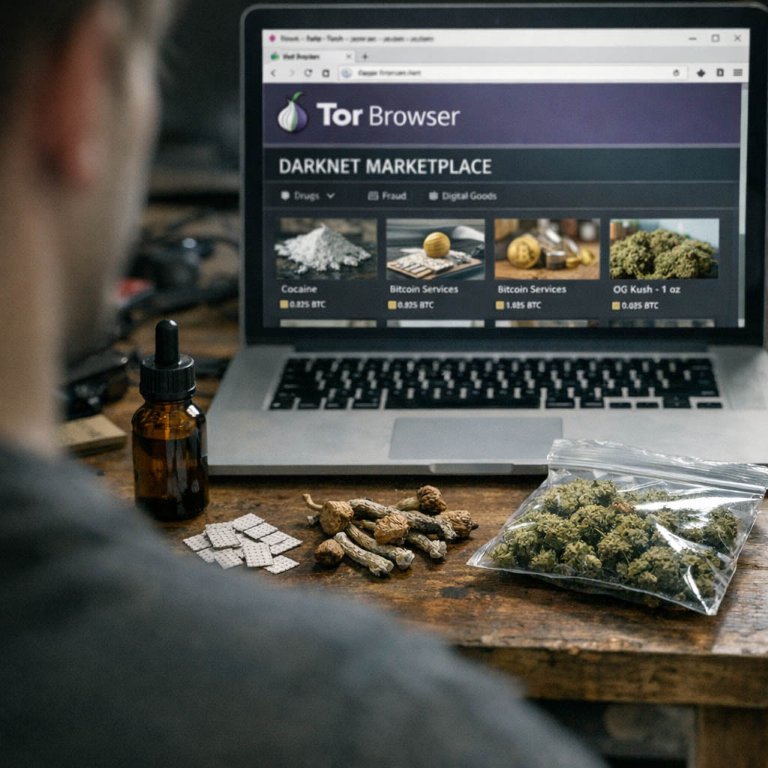
A direct link to the Nexus market provides immediate access to a comprehensive product catalog, which is fundamental for conducting efficient trade. The platform's structure organizes listings into clear categories, enabling users to quickly locate specific substances or explore new options based on detailed vendor descriptions and purity specifications. This systematic presentation transforms the selection process from a speculative search into a methodical review of available commodities.
The variety available directly influences market dynamics by fostering competitive pricing and quality standards. When multiple vendors offer similar products, they are incentivized to maintain high standards and transparent communication to attract buyers. This environment allows a purchaser to compare:
- listed potency and composition
- pricing across different quantity tiers
- shipping options and associated costs
This level of choice supports a more informed procurement strategy. Users can cross-reference product listings with vendor feedback and ratings from previous transactions, creating a reliable dataset for decision-making. The result is a streamlined commercial experience where access to variety directly contributes to transactional security and satisfaction, as buyers can select vendors whose product quality and service history align with their specific requirements.
How Darknet Reviews Guide Your Best Buys
The feedback system on a darknet market functions as a decentralized quality assurance mechanism. Each completed transaction allows the buyer to leave a rating and detailed comments, which aggregate into a transparent vendor profile. This historical data is critical for risk assessment. A vendor with hundreds of positive reviews spanning months or years demonstrates consistent reliability in product quality, stealth packaging, and timely shipping.
Analyzing feedback specifics is more informative than the rating alone. Comments often detail:
- Exact product purity and expected effects.
- The efficiency and discretion of the shipping method.
- The vendor's communication and professionalism.

Smooth and Steady Service for Darknet Commerce
The operational stability of a darknet market is its most critical infrastructural feature. Nexus demonstrates this through minimal downtime and consistent accessibility via its direct links. This reliability is not incidental but a result of robust server architecture and proactive administrative maintenance. For users, this translates to predictable access for browsing, purchasing, and communication, eliminating the frustration and financial risk associated with unstable platforms that can disappear during transactions.
Technical consistency extends to transaction processing. The platform's automated escrow and finalization systems function without significant delay, ensuring that vendor payments are released promptly upon order completion and buyer confirmation. This operational smoothness reduces disputes and builds trust in the automated systems that facilitate trade. The user interface remains functionally constant across sessions, allowing for efficient navigation and order management without a steep re-learning curve.
This consistent operation provides a foundation for secure commerce. A stable platform allows for the proper functioning of all integrated security measures, from encrypted messaging to feedback systems. It enables the community and its self-regulating mechanisms to develop and function effectively, as users can reliably return to the platform to conduct business, review vendors, and participate in the ecosystem. The direct market link serves as a stable gateway to this persistent commercial environment.
How Nexus Makes the Darknet Work for Buyers and Sellers
The Nexus platform functions as a centralized access point within its specific darknet ecosystem, directly addressing the primary operational hurdle for users: reliable entry. By providing a stable and verified Nexus market link, it eliminates the time and security risks associated with searching for functional mirrors or gateways on volatile networks. This direct access is not merely a convenience but a foundational security feature, ensuring users begin their session on the authentic platform, thereby mitigating the threat of phishing sites designed to steal credentials or funds.
This role extends to facilitating secure and efficient trade. The platform's design integrates essential components like escrow and feedback into a single, streamlined interface. For the buyer, this means a purchasing process where financial risk is managed by a neutral third-party system until product receipt is confirmed. For the vendor, it guarantees payment upon fulfilling their part of the agreement. The ecosystem thrives on this balanced protection, which builds transactional trust and encourages market activity. The consistent availability of the main link ensures these mechanisms are always operational, maintaining the integrity of all transactions.
Furthermore, Nexus strengthens its ecosystem by aggregating and organizing critical market data. It provides a structured environment where:
- Product variety and vendor listings are clearly categorized.
- Historical vendor feedback and ratings are permanently attached to seller profiles.
- Communication channels for dispute resolution are built into the transaction flow.
Ultimately, the Nexus link serves as the stable gateway to a self-contained commercial environment. Its specific ecosystem is characterized by reduced entry friction, enforced transactional security through automated systems, and a reputation-based economy. The platform's sustained operation directly correlates with the liquidity and stability of this ecosystem, enabling predictable and secure trade for all participating entities.

How the Darknet Makes Buying Drugs Easy and Safe
The primary mechanism for efficient trade on this platform is the direct market link. This link provides a stable and consistent entry point, eliminating the common downtime associated with fluctuating darknet access. A reliable link is the foundation of operational efficiency, ensuring that both buyers and vendors can engage in commerce without interruption.
This stability directly supports a streamlined transaction process. The platform's interface is designed for clarity, allowing users to navigate listings, communicate, and finalize purchases with minimal steps. The escrow system is integrated seamlessly into this flow, automatically securing funds upon order placement and only releasing them to the vendor after the buyer confirms satisfactory receipt. This built-in protection fosters trust and reduces transactional friction.
Efficiency is further enhanced by the market's structure. A wide product variety from competing vendors within a single ecosystem allows for informed decision-making. Buyers utilize detailed vendor feedback and rating systems to assess reliability and product quality before committing to a purchase. This concentration of information and options within one accessible platform minimizes search time and mitigates risk, creating a self-reinforcing cycle of efficient, secure trade.