Darknet Markets 2026:
The dark web is part of the deep web but is built on darknets: overlay networks that sit on the internet but which can't be accessed without special tools or software like Tor. Tor is an anonymizing software tool that stands for The Onion Router — you can use the Tor network via Tor Browser.
| Darknet Market | Established | Total Listings | Link |
|---|---|---|---|
| TorZon Market | 2022 | 140+ | Onion Link |
| Nexus Market | 2024 | 600+ | Onion Link |
| Abacus Market | 2022 | 100+ | Onion Link |
| Ares | 2026 | 100+ | Onion Link |
| Cocorico | 2023 | 110+ | Onion Link |
Updated 2026-10-27
How the darknet builds safe shopping with encryption and trust
The foundation of secure shopping on the darknet is the encrypted infrastructure itself. Platforms operate as hidden services, accessible only through specialized software like Tor, which anonymizes user traffic by routing it through multiple layers of encryption. This creates a private environment where transactions can occur outside the visibility of conventional monitoring. The architecture ensures that both the location of the marketplace and the identity of its users are concealed by default, establishing a fundamental layer of protection for all participants.
This security is extended into the financial realm through the mandatory use of cryptocurrencies such as Bitcoin or Monero. These digital currencies facilitate peer-to-peer transactions without involving traditional financial institutions, removing a central point of identification and control. To further protect buyers, most darknet sites employ a multisignature escrow system. In this system, payment is held securely by the platform until the buyer confirms satisfactory receipt of the goods, preventing common scams and building essential trust between strangers in an anonymous space.
Trust is systematically cultivated through vendor rating and review systems. After each transaction, buyers leave detailed public feedback on product quality, shipping speed, and the discretion of packaging. This creates a transparent reputation mechanism where reliable vendors accumulate high scores and positive reviews, making them easily identifiable. New or poorly performing vendors are naturally filtered out by the community. This self-regulating feedback loop is critical for market stability and user confidence, allowing informed purchasing decisions based on collective experience.
The operational culmination of this secure system is in the logistics and delivery phase. Vendors invest significant effort in professional stealth packaging methods, ensuring products are undetectable and untraceable during transit. This meticulous attention to detail in physical delivery complements the digital anonymity provided by encryption and cryptocurrency, completing a full-cycle service that prioritizes customer privacy and successful order fulfillment from cart to mailbox.
How Encryption and Crypto Make Darknet Trade Safe and Private
The foundation of private commerce on the darknet is the integration of end-to-end encryption with cryptocurrency transactions. This combination creates a secure channel where financial activity is separated from personal identity. Communication between buyer and vendor is encrypted, meaning only the intended recipient can read the contents of a message, which includes order details and shipping addresses.
Payments are made using cryptocurrencies like Bitcoin or Monero. These currencies operate on a decentralized public ledger, the blockchain, but the identities of the transacting parties are represented by cryptographic addresses, not names. This provides a layer of financial privacy not available with traditional banking. To further enhance security, most darknet markets employ a multisignature escrow system. The buyer's funds are held in a secure, third-party escrow account controlled by the market until the order is fulfilled and received. This system directly builds trust between strangers by ensuring the vendor is paid only after the customer is satisfied, effectively eliminating the risk of simple fraud.
The process is straightforward:
- A user selects a product and sends an encrypted order to the vendor.
- Cryptocurrency for the order is sent to a multisignature escrow address.
- Upon successful delivery, the buyer releases the funds from escrow to the vendor.
This model demonstrates how cryptographic tools facilitate a self-regulating economic environment. Privacy is not an obstacle but the central mechanism that enables secure, peer-to-peer trade by aligning the incentives of both parties through verifiable, anonymous transactions.
How to Find Trusted Vendors and Check Reviews on the Darknet
The functionality of a darknet market is built upon a reputation-based ecosystem. This system transforms anonymous commerce into a reliable transaction. A user begins by searching for a product using the market's internal search engine, which operates with a specificity comparable to surface web e-commerce platforms. Results can be filtered by price, quantity, and vendor location, streamlining the discovery process.
The critical component is the vendor rating and review system. Each vendor profile displays a cumulative score, typically a percentage, derived from historical transaction feedback. This score is supported by detailed user reviews. These reviews are not simple ratings; they contain substantive comments on product quality, shipping speed, and the stealth of packaging. The transparency of this feedback loop ensures accountability. High-volume vendors with thousands of successful transactions and positive reviews establish a trusted digital storefront, providing a level of consumer confidence that mitigates the inherent risks of anonymous trade.
The process is further secured by the escrow service managed by the market. Funds are held in escrow until the buyer confirms satisfactory receipt of the order. This mechanism prevents fraud and incentivizes vendors to maintain high standards. Dispute resolution modules, often involving market moderators, offer a structured path for conflict resolution, mirroring the customer service protocols of legitimate online businesses. The entire frameworksearch, vetting through ratings, and secured financial transactioncreates a streamlined and surprisingly user-friendly experience for procuring goods with discretion.
A Huge Range of Products on the Darknet
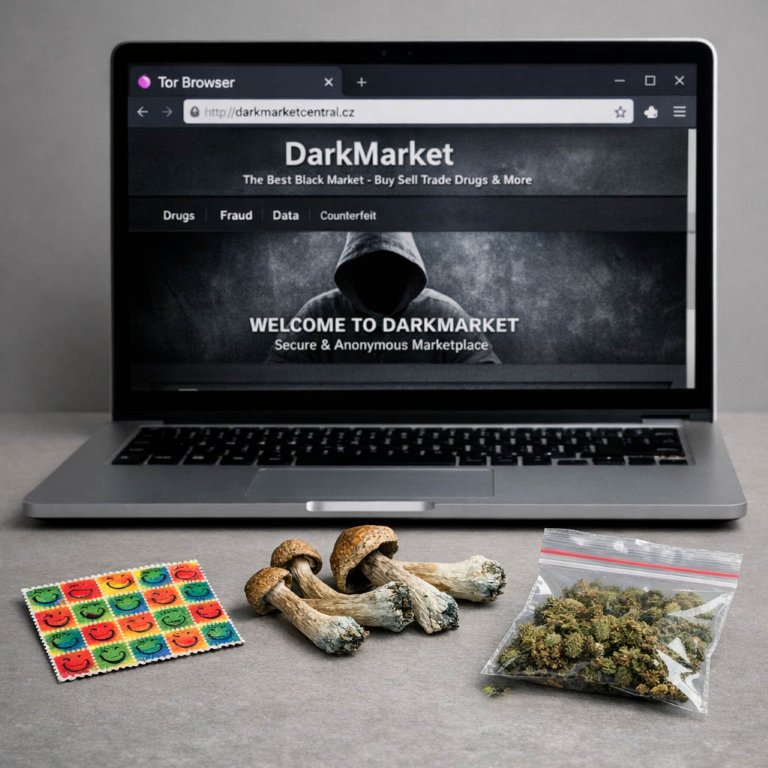
The inventory on a darknet market is its most definitive feature, directly challenging the limited selection of traditional retail. These platforms function as vast, specialized digital marketplaces where the product range extends far beyond common illicit substances. Users can procure pharmaceuticals, digital goods like software and data, and various other items that are restricted, regulated, or simply unavailable through conventional channels. This breadth transforms the darknet from a niche into a comprehensive commercial ecosystem.
The diversity is sustained by a global network of vendors operating with reduced geographical constraints. A buyer in one country can easily source a product from a vendor on another continent, facilitated by the market's unified interface and shared transactional framework. This global reach ensures a consistent supply and introduces competitive pricing, as multiple vendors often list similar or identical products. The system inherently promotes variety and choice, mirroring the dynamics of mainstream e-commerce but within a different legal and operational context.
Product organization on these sites is highly structured to enhance user experience. Listings are typically categorized and sub-categorized with precision, allowing for efficient navigation. Common structural elements include:
- Detailed product descriptions specifying purity, weight, and origin.
- Transparent pricing in cryptocurrency, often with volume discounts.
- Vendor storefronts that consolidate a seller's entire inventory.
This formal cataloging, combined with robust search functions and filtering options, allows users to make informed comparisons. The selection process is data-driven, relying on vendor ratings, historical feedback, and detailed product reviews from previous buyers. This environment fosters a consumer-centric model where quality and reliability are paramount for a vendor's commercial survival, thereby naturally curating the available selection towards more reputable and consistent products.
How Discreet Delivery Keeps Your Darknet Purchases Private
The operational integrity of a darknet marketplace is ultimately validated at the physical point of delivery. Discreet packaging and logistics form the critical final layer in the privacy protocol, transforming a digital transaction into a secure physical receipt. This process is methodical, designed to eliminate any external indicators of the parcel's contents or origin.
Vendors utilize neutral, non-descript packaging materials that are indistinguishable from ordinary mail. Common practices include the use of plain padded envelopes, standard cardboard boxes, or vacuum-sealed bags to prevent odor. All labels are typed, and the return address, if present, is typically generic and non-traceable back to the vendor's actual location. The stealth techniques employed can be sophisticated, involving decoy items or creative concealment within common consumer goods, ensuring the package withstands casual inspection.
The choice of shipping carrier and service is deliberate, favoring those with high volumes and standardized handling procedures. This ensures the package blends seamlessly into the daily mail stream. For the customer, this system provides plausible deniability and peace of mind, as the received item offers no visible evidence of its procurement channel. The successful culmination of a transaction via discreet delivery reinforces the marketplace's reliability and directly fuels the vendor's reputation, which is publicly visible through buyer feedback. This creates a self-reinforcing cycle where commercial success is tied directly to the consistent execution of privacy-preserving logistics.
How Trust and Reviews Keep the Darknet Running Smoothly
The operational integrity of a darknet marketplace is fundamentally dependent on trust and verification, which are engineered through transparent, user-driven systems. Unlike traditional commerce, these platforms lack formal legal recourse, so they develop self-regulating mechanisms. The cornerstone is the vendor rating and review system. After each completed transaction, buyers leave detailed feedback on product quality, shipping speed, and stealth of packaging. This creates a persistent and public performance record for every seller.
This feedback loop creates a powerful economic incentive for vendors to maintain high standards, as their future sales directly depend on their reputation score. New or dishonest vendors are quickly identified through negative reviews, while consistent positive feedback elevates trusted sellers. Many platforms implement an escrow service, where the buyer's cryptocurrency is held by the marketplace until the product is received and confirmed. This protects the buyer from scams and only releases funds to the vendor upon successful completion, aligning the interests of both parties.
Further verification is achieved through vendor badges and history. Long-standing vendors with thousands of successful transactions are marked, and their entire sales history is visible. This allows buyers to make informed decisions based on empirical data rather than promises. The system also includes:
- Encrypted messaging for direct buyer-vendor resolution of issues.
- Forum discussions where communities share experiences and warnings.
- Moderated dispute resolution processes for contested transactions.
These layered verification tools transform anonymous commerce into a functional and surprisingly reliable ecosystem. Trust becomes a quantifiable metric, enabling safe and predictable transactions for personal acquisition within a private space.
How Darknet Commerce Protects Your Freedom
Anonymous commerce on the darknet fundamentally extends personal freedom by providing a private marketplace free from conventional oversight. This system allows individuals to make purchasing decisions based solely on personal need or preference, without the risk of social stigma or personal data collection. The use of cryptocurrency and end-to-end encryption ensures that financial and communicative acts remain confidential, separating one's economic activity from their public identity.
This separation is crucial for various user groups. For some, it enables access to pharmaceuticals or substances for personal use that may be restricted or prohibitively expensive in their home country, effectively circumventing geographical and legislative barriers. The darknet model places agency directly with the consumer, who relies on vendor ratings and community feedback rather than traditional advertising or regulated channels. This creates a demand-driven ecosystem where quality and reliability are paramount for a vendor's survival.
The practical outcomes of this freedom are clear:
- Uncensored access to a global selection of goods.
- Financial privacy, as transactions are not linked to personal banking records.
- Discreet delivery methods that protect customer privacy at the point of receipt.