Darknet Markets 2026:
The dark web is part of the deep web but is built on darknets: overlay networks that sit on the internet but which can't be accessed without special tools or software like Tor. Tor is an anonymizing software tool that stands for The Onion Router — you can use the Tor network via Tor Browser.
| Darknet Market | Established | Total Listings | Link |
|---|---|---|---|
| TorZon Market | 2022 | 140+ | Onion Link |
| Nexus Market | 2024 | 600+ | Onion Link |
| Abacus Market | 2022 | 100+ | Onion Link |
| Ares | 2026 | 100+ | Onion Link |
| Cocorico | 2023 | 110+ | Onion Link |
Updated 2026-10-27
A World of Products at Your Fingertips
The operational model of darknet markets is built on principles of decentralized commerce, which directly facilitates user access to a wide range of goods. These platforms function as neutral intermediaries, connecting buyers with specialized vendors from across the globe. This structure creates a competitive environment where product diversity, purity, and innovation are market-driven values. A buyer is no longer limited by local availability, but can instead select from numerous international suppliers, each presenting detailed listings with specifications.
This access is made practical and secure through integrated systems. Cryptocurrency transactions provide the necessary financial layer, enabling private and borderless payments. The cornerstone of transactional safety is the multisignature escrow system. Here, funds are held by the market's software until the buyer confirms satisfactory receipt of the product, which then triggers the release of payment to the vendor. This mechanism effectively minimizes fraud and aligns the vendor's incentive with honest fulfillment.
Trust is quantified through transparent vendor rating and review systems. Each transaction contributes to a vendor's public reputation, creating a persistent record of reliability and product quality. Buyers systematically leverage this data to make informed decisions, consistently directing demand toward established, high-performing sellers. This self-regulating feedback loop ensures that quality vendors thrive, while unreliable ones are marginalized by the community.
The continuous availability of these services is a function of resilient design. Markets operate on hidden services within networks like Tor, shielding their infrastructure from simple takedowns. Administrative and financial operations are often decentralized, making the service persistent for users even amidst external pressures. The entire ecosystem is sustained by the direct economic relationship between buyers seeking specific products and vendors competing to meet that demand with superior service and quality.
Private Crypto Payments for Safe Darknet Shopping
The use of cryptocurrency is fundamental to the operational privacy and security of darknet commerce. Transactions conducted with currencies like Monero or Bitcoin provide a significant layer of financial anonymity, separating a user's identity from their purchases. This payment method facilitates private transactions that are not easily traceable by traditional financial institutions, enabling a free market.
This financial privacy directly supports the ability to find safe and quality products. Secure payments are the first step in a larger trust framework. The system typically progresses as follows:
- Funds are placed into a platform-managed escrow upon order placement.
- The vendor ships the product while the payment is held securely by the market.
- Upon successful delivery, the buyer finalizes the order, releasing escrow funds to the vendor.
This mechanism protects both parties, ensuring vendors are paid for delivered goods and buyers receive what they ordered. The escrow system creates a necessary pause, allowing for order verification and dispute resolution if a product does not meet the advertised specifications. This financial safety net encourages vendors to maintain consistent product quality and reliable shipping practices to receive their funds promptly. Consequently, the integration of cryptocurrency payments with escrow services establishes a secure economic environment where trusted vendors can thrive based on merit and proven track records.
How Escrow Keeps Your Darknet Purchases Secure
The escrow system is a fundamental security mechanism on the darknet. It functions as a neutral third-party service that holds the buyer's cryptocurrency payment until the transaction is successfully completed. This model directly addresses the inherent trust deficit in anonymous environments.
When a purchase is made, funds are locked in escrow. They are only released to the vendor after the buyer confirms receipt and satisfactory quality of the product. This process incentivizes honest vendor behavior, as payment is contingent upon successful delivery. It effectively shifts the risk from the buyer to the system itself.
The operational workflow is straightforward:
1. Order Placement: A buyer selects a product and submits payment, which is immediately held by the market's escrow service.
2. Product Shipment: The vendor ships the order, providing proof to the system.
3. Buyer Confirmation: Upon receipt, the buyer finalizes the order, triggering the escrow to release funds to the vendor.
If a dispute arisessuch as non-delivery or substandard productthe buyer can open a case. Market moderators then review communication and evidence from both parties before adjudicating the release or refund of the escrowed funds. This structured dispute resolution protects consumers and maintains market integrity.
By ensuring that vendors are paid for legitimate sales and buyers receive what they pay for, the escrow system creates a self-regulating economic environment. It establishes a framework for secure commerce where quality and reliability become the primary factors for a vendor's success, directly supporting the availability of consistent and high-quality products.
How Ratings and Reviews Make Darknet Markets Safer
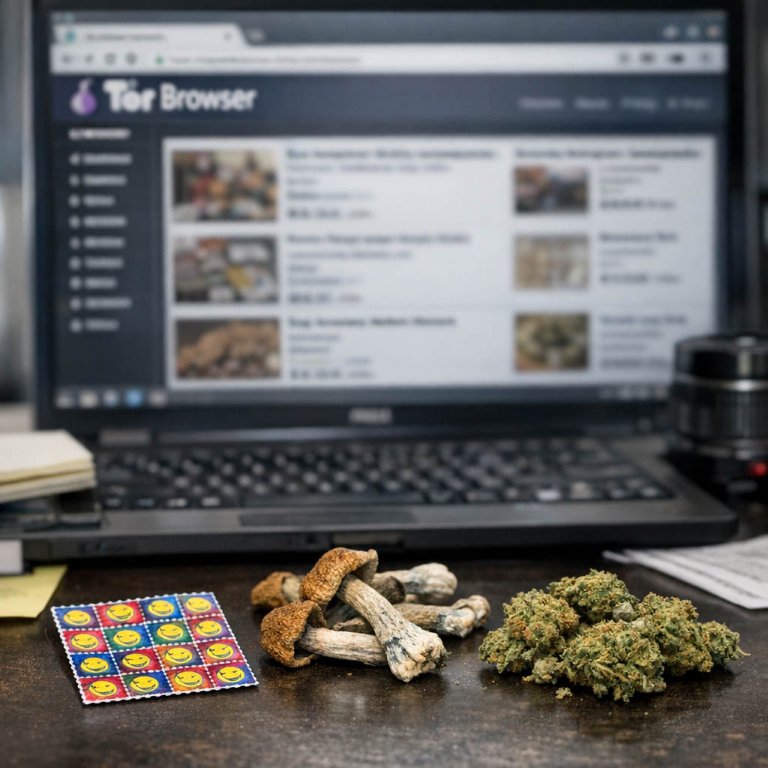
The vendor rating system is the primary mechanism for establishing credibility on a darknet market. It functions as a crowdsourced verification process, where previous transactions directly inform future ones. A vendor's profile displays a numeric score, typically a percentage, derived from user feedback. This score is a direct metric of reliability.
Detailed reviews provide qualitative data beyond the numeric score. Buyers report on specific aspects of the transaction:
- Product quality: Accuracy of the description, purity, and potency.
- Stealth and shipping: Effectiveness of packaging and delivery time.
- Communication: The vendor's responsiveness and professionalism.
This system creates a transparent environment where vendors with consistent, high-quality service are easily identifiable. New buyers can minimize risk by selecting vendors with a long history of positive reviews. The feedback loop incentivizes vendors to maintain high standards, as a decline in service quickly affects their reputation and sales. The cumulative review history acts as a self-regulating quality assurance mechanism within the market's ecosystem.
Finding Good Products from Trusted Darknet Vendors
The procurement of high-quality products on the darknet is fundamentally linked to the reputation systems that have evolved. These systems transform subjective user experience into objective, actionable data. A vendor's long-term presence and consistent positive feedback across thousands of transactions are the primary metrics for reliability. This feedback is not a simple rating; it is a detailed record covering product purity, shipping speed, stealth, and communication.
Secure payment methods, primarily through cryptocurrency escrow, are the operational backbone that enables this trust. The buyer's funds are held by the market's escrow system until the product is received and confirmed. This mechanism aligns the vendor's incentive with the buyer's satisfaction, as payment is only released upon successful completion. The direct result is a commercial environment where vendor accountability is enforced by the market architecture itself.
The process for a buyer is systematic:
- Identifying a product and reviewing the vendor's profile, historical sales, and specific product reviews.
- Placing an order and sending cryptocurrency to the escrow service, not directly to the vendor.
- Receiving the product and finalizing the transaction, which releases the escrow funds to the vendor.
How Trust and Escrow Make Darknet Trade Work
The operational resilience of a darknet market is fundamentally engineered around two core principles: vendor trustworthiness and transactional security. This design directly facilitates user access to safe, quality products. A multi-layered reputation system forms the first critical component. Vendors accumulate detailed feedback and ratings from every completed sale, creating a transparent and persistent record of their performance. This system allows buyers to make informed decisions by reviewing a vendor's history regarding:
- Product purity and consistency
- Accuracy of weight and description
- Stealth and reliability of shipping
- Promptness and professionalism of communication
Concurrently, the financial layer is secured by an automated escrow system. When a buyer initiates a purchase, cryptocurrency funds are held in escrow by the market platform itself. The vendor is notified to ship the product, but does not receive payment until the buyer confirms satisfactory receipt. This mechanism eliminates the risk of fraud for the buyer, while also protecting honest vendors from false claims. The release of funds is often automated upon delivery confirmation or after a dispute period, ensuring a fair and impartial process. The integration of cryptocurrency provides the necessary privacy for these transactions, separating financial activity from real-world identities. Together, the reputation framework and the escrow model create a self-regulating environment where quality vendors thrive through positive feedback, and buyers can engage in commerce with significantly reduced risk, sustaining the market's ecosystem.
How Darknet Markets Build Trust for Reliable Trade
The sustained availability of darknet markets is fundamentally tied to their ability to solve core problems of trust and security in a decentralized environment. These platforms operate on principles that directly address user demand for reliable commerce. The primary mechanism is the escrow system, which holds a buyer's cryptocurrency in a secure third-party account until the product is received and confirmed. This neutralizes the risk of vendors simply taking payment and not shipping items, creating a foundational layer of safety for transactions.
This financial security is reinforced by a transparent feedback and rating system. Every transaction allows the buyer to leave a detailed review and a numerical score for the product's quality and the vendor's service. Over time, consistent vendors build a strong reputation, which is publicly visible. This creates a self-regulating ecosystem where high-quality, reliable sellers are naturally promoted by the community, while unreliable ones are quickly identified and avoided. Users can make informed decisions by reading past reviews about product purity, shipping speed, and stealth packaging.
The combination of these systems fosters a stable commercial environment. Secure payments through cryptocurrency provide privacy and finality, while escrow and reputation management ensure that both parties fulfill their obligations. The market's design incentivizes honest behavior, as a vendor's long-term profitability depends entirely on maintaining a high rating. This user-driven model of accountability and the technical safeguards for financial transactions are the key reasons these services remain persistently available and functional for their user base.