Darknet Markets 2026:
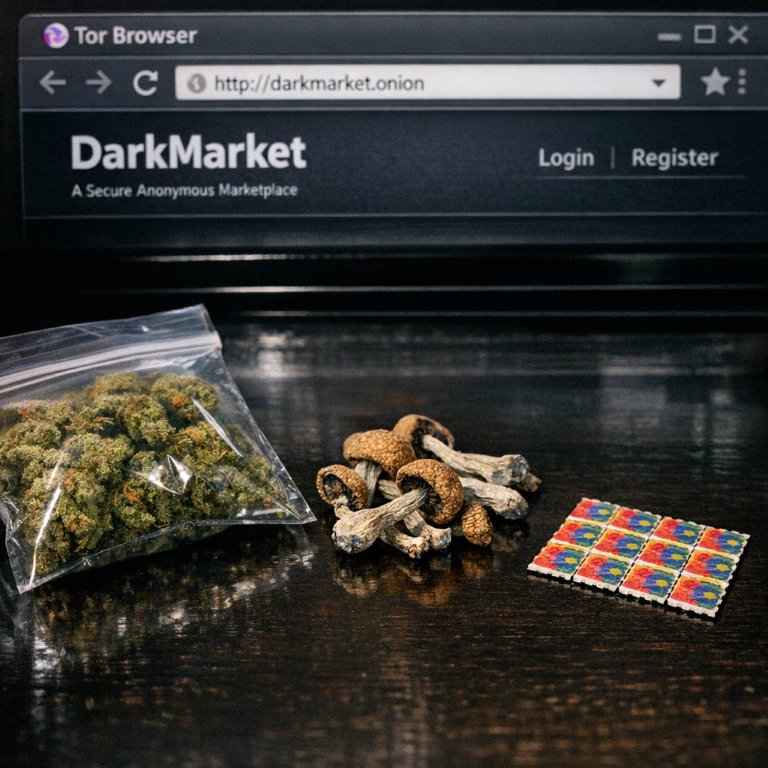
The dark web is part of the deep web but is built on darknets: overlay networks that sit on the internet but which can't be accessed without special tools or software like Tor. Tor is an anonymizing software tool that stands for The Onion Router — you can use the Tor network via Tor Browser.
| Darknet Market | Established | Total Listings | Link |
|---|---|---|---|
| TorZon Market | 2022 | 140+ | Onion Link |
| Nexus Market | 2024 | 600+ | Onion Link |
| Abacus Market | 2022 | 100+ | Onion Link |
| Ares | 2026 | 100+ | Onion Link |
| Cocorico | 2023 | 110+ | Onion Link |
Updated 2026-10-27
How Darknet Sites Keep Shopping Private and Secure
The operational model of darknet sites integrates specific technologies to establish a private and secure commercial environment. This model relies on two foundational pillars: network-level anonymity and cryptographic financial transactions.
The Tor network provides the initial layer of privacy by encrypting and routing user traffic through multiple volunteer-operated servers. This process obscures the origin and destination of the connection, allowing users to access .onion sites without revealing their physical location or identity to the site operator or network observers. This architectural separation from the surface web is fundamental.
Financial privacy is achieved through the use of cryptocurrencies like Bitcoin and Monero. These digital currencies enable transactions without the involvement of traditional banking institutions, which require personal identification. While Bitcoin offers pseudonymity, currencies with enhanced privacy features, such as Monero, obscure transaction details by default, making the flow of funds between buyer and seller virtually untraceable on a public ledger.
The combination of these systems creates a synergistic effect for secure shopping:
1. Anonymized Access: The Tor network conceals the user's IP address during browsing and purchasing.
2. Pseudonymous or Anonymous Payment: Cryptocurrency transactions sever the link between the financial transaction and a real-world identity.
3. Discrete Logistics: The physical delivery process is designed to be indistinguishable from ordinary mail, relying on the privacy of the postal system.
This integrated approach allows participants to engage in commerce where personal identifiers are systematically decoupled from the act of purchasing. The privacy is not incidental but is a direct result of the deliberate application of these technologies, forming a self-contained ecosystem for exchange.
How Crypto and Escrow Make Darnet Drug Deals Safe and Fair
The transactional model on darknet sites is built upon two interdependent pillars: cryptocurrency and escrow services. This combination directly addresses the core requirements of private and secure commerce in a digital environment where traditional financial oversight is absent. Cryptocurrencies like Monero and Bitcoin provide the fundamental layer of financial privacy. Unlike traditional payment systems, these digital currencies operate on decentralized networks, allowing for the transfer of value without linking transactions directly to real-world identities. This cryptographic separation between payment and personal identity is the first critical step in securing a transaction.
However, financial anonymity alone does not solve the issue of trust between strangers. This is where the escrow system becomes operational. When a buyer initiates a purchase, the cryptocurrency funds are not sent directly to the vendor. Instead, they are held in a secure, multi-signature escrow account controlled by the marketplace software. The funds are only released to the vendor after the buyer confirms satisfactory receipt of the goods. This mechanism effectively neutralizes the risk of fraud by either party:
- Vendors are protected from chargebacks and false non-receipt claims, as the payment is already committed and secured.
- Buyers are protected from vendors who might otherwise accept payment and not deliver, as the vendor cannot access the funds without fulfillment.
The integration of these systems creates a self-enforcing framework for secure exchange. The escrow service acts as a neutral arbiter, while the irreversible and pseudonymous nature of cryptocurrency transactions ensures that the process cannot be easily subverted. This design fosters a stable trading environment where the risks inherent in anonymous trade are systematically mitigated through protocol and code, rather than relying on external legal enforcement.
How User Reviews Build Trust on the Darknet
The architecture of darknet sites integrates cryptocurrency and user feedback to create a private and secure shopping environment. Transactions are conducted using digital currencies like Bitcoin or Monero, which function on public ledgers but do not inherently link wallet addresses to real-world identities. This provides a layer of financial privacy unattainable in traditional commerce.
The system's security is enhanced by the mandatory use of escrow services managed by the marketplace. Funds are held by a third party until the buyer confirms satisfactory receipt of goods. This mechanism directly protects the buyer and incentivizes vendor reliability. The transaction's success is then recorded through a feedback and rating system. This creates a transparent record of performance.
User feedback acts as a continuous audit. Detailed reviews and vendor ratings cover:
- Product quality and accuracy
- Shipping speed and stealth packaging
- Communication effectiveness
This collective intelligence allows buyers to make informed decisions based on peer verification, reducing uncertainty. A vendor with consistently high ratings builds digital reputation, which becomes a valuable asset. The integration of anonymous payment, secured funds, and community-driven accountability forms a self-regulating marketplace. Privacy is maintained not by obscurity alone, but through cryptographic tools and a sustainable economic model where trust is quantifiable and security is a marketable feature.
How Darknet Ratings Build Trust and Quality
The privacy and security architecture of darknet sites fundamentally transforms the dynamics of commerce. Anonymity is not an obstacle to trust but its new foundation, built through transparent systems of peer verification. The integration of cryptocurrency is central, as it provides a pseudonymous and decentralized payment layer. This removes the need for traditional financial intermediaries whose involvement inherently compromises privacy. Transactions become cryptographic entries, not tied to personal identities, enabling a truly private economic exchange.
This financial privacy enables the core mechanism for secure shopping: the escrow system. Funds are held by the marketplace until the buyer confirms satisfactory receipt of goods. This neutral third-party function mitigates the inherent risk of anonymous trade, preventing scams by incentivizing vendor honesty. The escrow model directly feeds into the vendor rating system. Every completed transaction allows a buyer to leave detailed feedback on product quality, shipping speed, and stealth. These ratings are aggregated into a public profile, creating a persistent reputation for each seller.
The resulting ecosystem is a self-regulating marketplace. High-rated vendors with consistent positive feedback gain prominence and commercial success. Those with poor reviews or unresolved disputes face economic exclusion. This user-driven quality assurance creates a market where reliability is financially rewarded. Operational security practices, such as PGP encryption for addresses and secure communication through the platform, are standardized and expected, further protecting all parties. The architecturecombining cryptographic currency, escrow, and public feedbackcreates a framework for secure exchange where privacy and accountability are not in opposition but are mutually reinforcing principles.
How Darknet Markets Safely Sell Drugs
The operational model of darknet sites integrates cryptocurrency and architectural anonymity to create a fundamentally private retail environment. Transactions are conducted using currencies like Bitcoin or Monero, which function on public ledgers but do not inherently link wallet addresses to real-world identities. This financial layer separates transactional data from personal information, a core requirement for secure commerce in this space.
The shopping process itself is designed around pseudonymity. Buyers and sellers interact through encrypted messaging systems, with shipping details handled separately from marketplace accounts. The use of multisignature escrow further secures the process. Funds are held in a neutral wallet until the buyer confirms satisfactory receipt of goods, at which point the vendor is paid. This system minimizes fraud without requiring a trusted third party to hold sensitive data.
Technical infrastructure supports this privacy. Tor network routing obfuscates a user's IP address, while the marketplace's own operational security prevents the leakage of metadata. The combination of these elementscryptocurrency for financial privacy, encryption for communication privacy, and network anonymity for connection privacyestablishes a coherent framework where commerce can proceed with significantly reduced exposure of participant identities.
How Crypto and OPSEC Make Darknet Trade Safe
The privacy and security of transactions on darknet sites are fundamentally enabled by the integration of cryptocurrency and robust operational security practices. Cryptocurrencies like Bitcoin and Monero provide a layer of financial anonymity by separating transactional identity from real-world identifiers. This payment method operates on a decentralized ledger, allowing value transfer without the involvement of traditional financial institutions that require personal data.
To further enhance security, darknet platforms implement structured protocols. These protocols function as a series of interdependent steps:
- All communications are routed through Tor encryption, obscuring the user's network location and activity from surveillance.
- Cryptocurrency payments are typically held in a multisignature escrow system until the buyer confirms satisfactory receipt of goods, which directly mitigates fraud.
- End-to-end encrypted messaging is used for all order details, preventing platform operators from accessing sensitive content.
The combination of these technologies creates a self-contained environment for secure exchange. The anonymity of cryptocurrency addresses breaks the direct link between a purchase and an individual's bank account, while the operational security measures of the platform itself protect the metadata of the interaction. This dual-layer approach allows participants to engage in commerce where privacy is the default state, not an optional feature. The system's resilience is demonstrated by its continued operation, relying on cryptographic proof rather than personal trust.
How Cryptocurrency and Tor Enable Safe Trade on the Darknet
The operational model of darknet sites is fundamentally built upon the integration of cryptocurrency and onion routing. This combination creates a transactional environment where financial and personal data are decoupled from the act of commerce. Cryptocurrencies like Bitcoin and Monero provide a decentralized payment layer, where transactions are recorded on a public ledger but are not inherently tied to real-world identities. This allows for a financial exchange that bypasses traditional banking systems, which require extensive personal identification and are subject to centralized oversight.
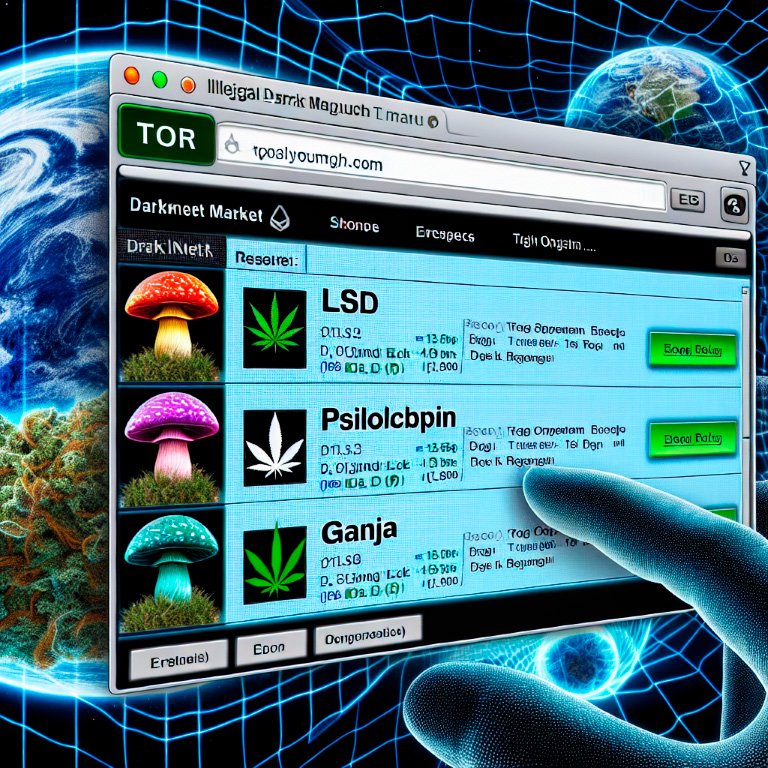
The privacy of the transaction is further secured by the network architecture. Users access these platforms through The Onion Router (Tor), which encrypts and routes their connection through multiple volunteer-operated servers. This process obfuscates the user's original IP address, making it exceptionally difficult to trace online activity back to a physical location or individual. The marketplace itself is hosted as a hidden service within this network, accessible only through a specific .onion address, shielding both the server's location and the users' access points.
For the actual exchange, the escrow system is a critical component that enforces security. When a buyer initiates a purchase, the cryptocurrency funds are held in a multi-signature escrow wallet controlled by the marketplace. The funds are only released to the vendor after the buyer confirms receipt of the goods. This mechanism directly addresses the inherent trust deficit in anonymous environments by ensuring that vendors are compensated for delivered products and buyers are protected from fraud. The entire process is automated by the marketplace's software, minimizing the need for direct, risky interactions between parties and creating a self-executing framework for secure trade.
How Cryptocurrency and Tor Make Darnet Trade Private and Secure
The privacy and security of shopping on darknet sites are fundamentally enabled by the integration of cryptocurrency and the underlying network architecture. Transactions are conducted using currencies like Bitcoin or Monero, which operate on a public ledger but do not inherently link transaction details to real-world identities. This provides a layer of financial privacy unattainable with traditional banking systems, where personal information is directly tied to every purchase.
The architecture of the darknet itself, specifically the Tor network, is critical. It encrypts and routes user traffic through multiple volunteer-operated servers, obscuring the origin and destination of data. This makes it exceptionally difficult for any external observer to link a user's physical location or identity to their activity on a marketplace. When combined with cryptocurrency, this creates a dual-layer of anonymity: one for the network connection and another for the financial transaction.
Marketplaces further enhance security through operational protocols. The widespread use of multisignature escrow systems removes the need for buyers to trust vendors with full payment upfront. Funds are held in a secure, third-party-controlled wallet until the buyer confirms satisfactory receipt of goods. This mechanism effectively minimizes fraud and builds a foundation for trustless trade. The entire ecosystem is designed to facilitate private, consensual commerce between adults by technically separating economic activity from personally identifiable information, making it a robust platform for secure exchange.