Darknet Markets 2026:
The dark web is part of the deep web but is built on darknets: overlay networks that sit on the internet but which can't be accessed without special tools or software like Tor. Tor is an anonymizing software tool that stands for The Onion Router — you can use the Tor network via Tor Browser.
| Darknet Market | Established | Total Listings | Link |
|---|---|---|---|
| TorZon Market | 2022 | 140+ | Onion Link |
| Nexus Market | 2024 | 600+ | Onion Link |
| Abacus Market | 2022 | 100+ | Onion Link |
| Ares | 2026 | 100+ | Onion Link |
| Cocorico | 2023 | 110+ | Onion Link |
Updated 2026-10-27
How the dknet makes buying and selling easy and safe
The operational framework of darknet markets is engineered to facilitate secure and anonymous commerce by integrating several core mechanisms. These platforms function as cryptocurrency-based escrow services, which are central to establishing transactional trust without requiring personal identification. A buyer selects a product from a vendor's listing, and the payment in cryptocurrency is held by the market's automated escrow system. This prevents the vendor from receiving funds until the buyer confirms satisfactory delivery, thereby mitigating the risk of fraud for the buyer and incentivizing honest vendor behavior.
Vendor reputation acts as a critical quality assurance metric. Markets maintain public feedback and rating systems where buyers post detailed reviews on product quality, shipping speed, and stealth. Over time, consistent positive reviews build a vendor's trusted status, often indicated by badges or tier levels. This creates a competitive environment where vendors are economically motivated to maintain high standards, as their business viability depends directly on their accumulated reputation score.
The process for a buyer involves:
- Accessing the market via anonymizing software like Tor.
- Using cryptocurrency, typically Bitcoin or Monero, for payment.
- Relying on the escrow system to hold funds until order completion.
- Consulting the vendor's historical review data before purchasing.
For the seller, the system provides:
- A platform to reach a global customer base anonymously.
- A structured reputation system that rewards reliable service.
- Financial security through escrow, ensuring payment upon successful delivery.
- Operational resilience through decentralized hosting and cryptocurrency use.
This combination of cryptographic anonymity, third-party escrow, and a transparent reputation framework generates a self-regulating marketplace. It effectively reduces traditional risks associated with unregulated trade, enabling efficient transactions where trust is algorithmically derived from verifiable transaction histories rather than personal interaction.
How Crypto and Escrow Make Drug Trade Safe on the Darknet
The operational foundation of darknet markets is built upon the integration of cryptocurrency and escrow services, which together create a secure environment for trade. Cryptocurrencies like Bitcoin and Monero provide the necessary pseudonymity and decentralization, allowing financial transactions to occur outside traditional banking channels. This removes the direct link between a user's identity and their financial activity, establishing a base layer of privacy.
This financial privacy is then leveraged by the market's trust mechanisms. The escrow system acts as a neutral third party, holding the buyer's cryptocurrency payment until the product is received and confirmed. This directly mitigates the risk of fraud for the buyer, as the vendor is not paid until the transaction is complete. Simultaneously, it protects reliable vendors from false claims of non-delivery, as funds are only released with buyer confirmation.
The effectiveness of this model is amplified by transparent reputation systems. Vendors accumulate detailed feedback and ratings based on:
- Product quality and accuracy
- Shipping speed and stealth
- Communication reliability
This creates a competitive environment where vendor reputation becomes their most valuable asset, directly encouraging consistent quality and professional service. Buyers make informed decisions by analyzing this historical data, which reduces uncertainty. The combination of crypto-based payments, secured escrow, and a self-policing review system forms a coherent ecosystem. This ecosystem efficiently aligns the interests of both parties, facilitating anonymous yet accountable commerce where trusted vendors and quality products are reliably identified and rewarded.
How Escrow Makes Darknet Trading Safe and Reliable
The fundamental challenge for any remote commerce is the asynchronous exchange of value. A buyer sends payment but must wait for product delivery, while a seller ships a product but risks not receiving payment. Darknet markets solve this trust dilemma through automated cryptocurrency escrow services.
When a buyer selects a product, the market's software generates a unique deposit address. The buyer sends the cryptocurrency there, but the funds are not immediately released to the vendor. The coins are held in the market's multi-signature escrow wallet, a neutral third-party account controlled by the platform. This mechanism ensures the seller cannot access the payment without fulfilling their obligation.
The release of funds is triggered by a sequence of verifiable events:
- The buyer marks the order as received and finalized, which automatically transfers escrow to the vendor.
- If the buyer does nothing, the funds are automatically released to the seller after a predetermined period, protecting vendors from false non-receipt claims.
- If a dispute arises, the buyer can open a support ticket, and market moderators will arbitrate based on provided evidence, such as tracking data or product photos.
This system creates a balanced incentive structure. Vendors are motivated to ship high-quality products promptly to receive their funds and avoid damaging disputes. Buyers are assured that their funds are secure until they confirm satisfactory receipt. The escrow model effectively reduces fraud and builds a foundation for repeat business and reputation accumulation, which are critical for marketplace efficiency. It transforms a potentially risky anonymous transaction into a self-enforcing commercial agreement.
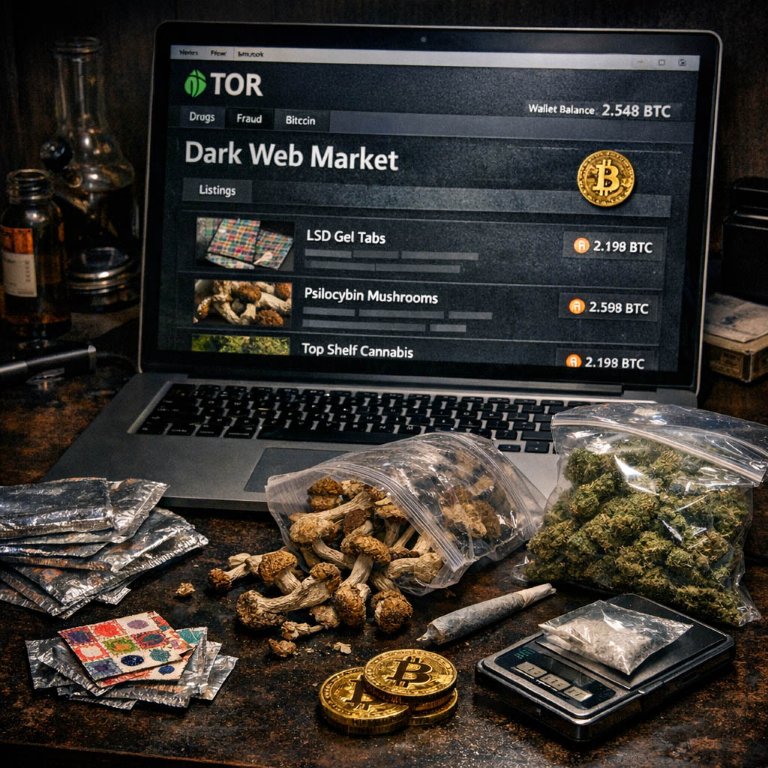
User Reviews Build Trust and Quality on Darknet Markets
The feedback system on darknet markets functions as a decentralized quality assurance mechanism. When a buyer receives a product, they leave a review detailing the accuracy of the listing, the product's purity or functionality, and the stealth of the shipping. This creates a transparent and persistent record of a vendor's performance.
This public ledger of experiences directly informs future purchasing decisions. A vendor with hundreds of positive reviews establishes a reputational capital that is more valuable than any single transaction. The review system naturally incentivizes consistent quality and honest advertising, as negative feedback can severely impact future sales. Disputes over product quality are often resolved by referencing the consensus found in the review section, with escrow services using this data to make fair rulings.
The structure transforms the typical buyer-seller relationship. It provides a clear framework for trust based on collective verification, making the anonymous marketplace environment predictable and efficient for securing quality goods.
How Feedback Builds Trust for Quality on Darknet Markets
The vendor reputation system is the cornerstone of trust on darknet markets, transforming anonymous trade into a reliable commercial environment. These platforms function on a feedback-driven economy where every transaction is subject to public review. A vendor's profile displays a quantifiable score, typically a percentage, derived from positive, neutral, and negative ratings left by buyers. This score is not static; it is a dynamic and transparent historical record of a seller's performance over hundreds or thousands of transactions.
The system's design incentivizes consistent quality and professionalism. Buyers evaluate and comment on specific aspects of the transaction, including:
- the precise quality and purity of the product received,
- the stealth and discretion of the packaging,
- the shipping speed and communication,
- and the overall accuracy of the order fulfillment.
This detailed, crowd-sourced verification acts as a powerful self-regulating mechanism. Vendors with high scores and numerous positive reviews gain a prominent position in search results and attract more business, directly linking their financial success to their reliability. Conversely, sellers who attempt to scam users or provide inferior products are quickly identified through negative feedback, which diminishes their score, reduces their visibility, and ultimately pushes them out of the marketplace. The integration of crypto escrow services further reinforces this model. Funds are only released to the vendor after the buyer confirms satisfactory receipt of the goods, ensuring that the feedback left is genuine and that the reputation score accurately reflects a completed and successful trade. This creates a closed loop where anonymity is preserved while accountability is enforced through economic and social proof, enabling buyers to confidently identify and engage with trusted vendors for quality products.
How Darknet Markets Build Trust and Quality on Their Own
The operational framework of darknet markets inherently fosters a self-regulating environment. This system functions through a combination of technological tools and community-driven feedback, creating a stable platform for trade. The cornerstone of this regulation is the crypto escrow service, which holds the buyer's payment until the product is received and confirmed. This mechanism removes the risk of direct, irreversible payments and aligns the vendor's incentive with successful delivery.
Vendor reputation is the primary currency within this ecosystem. A seller's reputation score, built transparently from countless transactions, is directly tied to their business viability. Markets feature detailed vendor profiles displaying this history, including order volume, dispute rate, and detailed user reviews. These reviews are not simple ratings; they often contain specific information about product quality, shipping speed, and stealth, providing future buyers with reliable, crowd-sourced verification. This creates a powerful feedback loop where high-quality, reliable vendors are systematically rewarded with more business, while unreliable actors are quickly identified and marginalized by the community.
The result is a competitive marketplace that efficiently filters for trust and quality. Buyers can make informed decisions by comparing vendor statistics and historical performance, much like on conventional e-commerce platforms. The necessity for anonymity and the absence of formal legal recourse accelerate the development of these robust, organic systems of trust. Consequently, the market polices itself through the collective actions of its participants, ensuring that the most successful and sustained operations are those that consistently deliver on their promises.
How the Darknet Makes Buying Drugs Safe and Easy
The operational model of darknet markets is engineered for secure and anonymous commerce. Transactions are conducted using cryptocurrencies like Bitcoin or Monero, which provide a layer of financial privacy by separating activity from real-world identities. This financial layer is fundamental to the ecosystem's function.
Trust between anonymous parties is established through integrated systems. The escrow service acts as a neutral third party, holding the buyer's cryptocurrency until the product is received and confirmed. This mechanism directly protects the buyer's funds and incentivizes the vendor to fulfill the order reliably.
Vendor performance is publicly quantified by a reputation system built from user feedback. This system creates a transparent record of a seller's history regarding product quality, shipping speed, and communication. High ratings and positive reviews become a vendor's most valuable asset, encouraging consistent reliability and high-standard products to maintain competitive standing.
The combination of these featurescryptocurrency for private payment, escrow for transactional security, and reputation for quality assurancecreates a self-regulating environment. Markets that effectively implement these systems see more successful trade, which in turn reinforces the resilience and economic viability of the platform itself, enabling efficient modern trade for its users.

How Darknet Markets Make Drug Trade Safe and Efficient
The operational efficiency of darknet markets stems from their integration of cryptographic tools and community-driven trust mechanisms, creating a streamlined environment for modern commerce. These platforms facilitate safe and anonymous trade by design, leveraging cryptocurrency for transactions that obscure financial identities. This cryptographic layer is fundamental, separating personal information from economic activity.
Trust is engineered through transparent systems. Vendor reputation, built from cumulative user feedback, acts as a continuous performance audit. Buyers rely on detailed reviews that assess product quality, shipping speed, and communication, creating a self-regulating quality assurance process. This feedback loop incentivizes vendors to maintain high standards for repeat business.
The crypto escrow service is a critical innovation for secure transactions. Funds are held by the market until the buyer confirms satisfactory receipt of goods. This mechanism effectively neutralizes the risk of fraud for both parties: sellers are assured of payment for shipped items, while buyers are protected from non-delivery. Only upon finalization are funds released, aligning the interests of all participants.
These combined elementsanonymity, reputational metrics, and secured paymentsform a cohesive ecosystem. The market environment autonomously promotes reliability and product consistency, demonstrating an efficient model for digital trade that addresses core challenges of trust and security in peer-to-peer exchange.