Darknet Markets 2026:
The dark web is part of the deep web but is built on darknets: overlay networks that sit on the internet but which can't be accessed without special tools or software like Tor. Tor is an anonymizing software tool that stands for The Onion Router — you can use the Tor network via Tor Browser.
| Darknet Market | Established | Total Listings | Link |
|---|---|---|---|
| TorZon Market | 2022 | 140+ | Onion Link |
| Nexus Market | 2024 | 600+ | Onion Link |
| Abacus Market | 2022 | 100+ | Onion Link |
| Ares | 2026 | 100+ | Onion Link |
| Cocorico | 2023 | 110+ | Onion Link |
Updated 2026-10-27
How to Find a Working Darknet Link
Accessing a darknet market requires a specific gateway, known as a market link or URL. These links are not found through standard search engines and use a specialized .onion domain suffix. To reach them, you must first install the Tor Browser, which routes your internet connection through multiple encrypted layers, anonymizing your network location.
Current market links are distributed through clearnet forums, dedicated link aggregation sites, and verified community boards. Relying on a single, outdated source is unreliable due to frequent changes. A standard practice is to consult multiple reputable directories and cross-reference the provided URLs. Many markets offer a mirror link system, providing several alternative addresses for the same site to maintain accessibility if one is blocked or offline.
The verification of a link's legitimacy is critical. A valid market link will always require a connection via the Tor Browser and will use HTTPS encryption, indicated by a padlock symbol in the Tor Browser's address bar. Users should be wary of phishing attempts, which use fake lookalike sites to steal login credentials. Always check the full .onion address against trusted sources and consider using PGP verification where available to confirm the authenticity of the link provided by the directory.
How Darknet Markets Work for Buyers
Accessing a darknet market link is the first step into a specialized digital ecosystem. The marketplace interface is designed for clarity and function, presenting a catalog of goods in a manner similar to conventional e-commerce platforms. This normalization of presentation facilitates efficient browsing and decision-making.
Upon entry, users encounter a structured environment. Product categories are clearly defined, and a robust search function allows for precise filtering. The design prioritizes user experience, enabling quick navigation to desired items. Market forums and integrated communication systems are central features, allowing for direct inquiry and community discussion. These tools are vital for gathering specific product information and assessing vendor responsiveness before any transaction is initiated.
The operational flow within the marketplace follows a logical sequence:
- Selection of a product from a vendor with an established positive reputation.
- Utilization of the escrow system, where funds are held securely by the market until order completion.
- Finalization of the order upon successful delivery, which releases the escrowed funds to the vendor.
How Crypto Makes Buying on the Darknet Easy and Safe
Cryptocurrency is the financial backbone of the darknet marketplace, enabling transactions that are both secure and pseudonymous. The process begins with acquiring a suitable cryptocurrency, with Monero (XMR) and Bitcoin (BTC) being the most common. Monero is often preferred for its enhanced privacy features, as its blockchain obscures transaction details by default, while Bitcoin requires careful use of techniques like coin mixing to achieve similar anonymity.
Before making a purchase, you must fund your digital wallet. This involves transferring the exact amount, plus the network fee, from your exchange wallet to your personal, non-custodial wallet. A critical step is the use of an escrow system managed by the marketplace. When you place an order, your cryptocurrency is held in escrow and is only released to the vendor once you confirm satisfactory delivery. This mechanism protects buyers from fraudulent sellers and incentivizes vendors to fulfill orders reliably.
The transaction workflow follows a clear sequence:
- Select items and proceed to checkout on the darknet market.
- Receive a unique deposit address and the exact payment amount.
- Send the cryptocurrency from your private wallet to the provided address.
- Wait for the required number of blockchain confirmations.
- Observe the order status update to "paid," triggering the vendor to ship.
This financial model supports a thriving ecosystem by minimizing fraud. User reviews frequently highlight transaction speed and reliability, which are directly tied to the predictable and irreversible nature of cryptocurrency payments. The efficiency of this system facilitates access to a wider range of products, from pharmaceuticals to digital goods, that users may find restrictive or unavailable through conventional retail channels. The decentralized and encrypted nature of the currency aligns perfectly with the operational security needs of the platform, creating a seamless economic environment for its participants.
How Encryption Keeps Darknet Shopping Safe
Encryption is the fundamental technology that makes shopping on the darknet possible. It functions as an unbreakable digital lock for all communications. When you access a darknet market, your connection is wrapped in Transport Layer Security (TLS), similar to the HTTPS on regular websites but more rigorously applied. This prevents outsiders from seeing which specific market you are visiting or what you are doing on the site.
Beyond the connection, personal messaging relies on end-to-end encryption (E2EE). This system ensures that only you and the vendor can read the contents of your messages. The market's server acts only as a carrier for these encrypted packets; it cannot decipher them. This protects sensitive discussion of order details, shipping, and any other correspondence from being intercepted or leaked by the platform itself.
For financial privacy, cryptocurrency transactions are secured by blockchain cryptography. However, to enhance anonymity, most markets require the use of a tumbler or encourage the use of privacy-focused coins like Monero. This process breaks the link on the public ledger between the buyer's sending address and the market's receiving address, making financial tracking exceptionally difficult.
- TLS encrypts your connection to the market.
- E2EE protects your private messages from everyone, including market admins.
- Cryptocurrency tumblers and privacy coins obfuscate your financial trail.
This layered encryption model creates a secure environment for commerce. Your identity, your conversations, and your financial transactions are all shielded by separate, robust cryptographic protocols. This comprehensive protection is what allows for the discreet and secure exchange of goods that many users seek.
How Reviews and Trust Make Darknet Markets Work
User reviews and vendor trust form the operational foundation of a darknet marketplace. These elements replace traditional consumer protections, creating a self-regulating environment where informed decisions are possible. The review system is typically more detailed than on surface web platforms. Buyers leave feedback on specific aspects of a transaction.
This includes:
- The accuracy of the product description versus what was received.
- The purity or quality of the substance, often verified with testing kits.
- The professionalism and communication style of the vendor.
- The efficiency and stealth of the shipping method.
This granular feedback builds a vendor's reputation score and trust level, which are visible on their profile. A high score accumulated over hundreds of transactions indicates consistency and reliability. Newer vendors often start with smaller listings to build this reputation gradually. The escrow system is directly tied to this mechanism. Funds are held by the marketplace until the buyer confirms satisfactory receipt of the order, at which point the vendor is paid and the buyer is prompted to leave a review. This process incentivizes honest conduct from both parties.
Analyzing reviews requires attention to patterns rather than isolated comments. A vendor with a long history of positive feedback and a high finalization rate is generally a safer choice. Dispute resolution modules on the platform allow moderators to intervene if a transaction fails, with review histories serving as primary evidence. Therefore, the collective intelligence of the user base, expressed through reviews, establishes a dynamic and effective framework for assessing risk and ensuring transactional integrity on the darknet.

How Darknet Listings Work
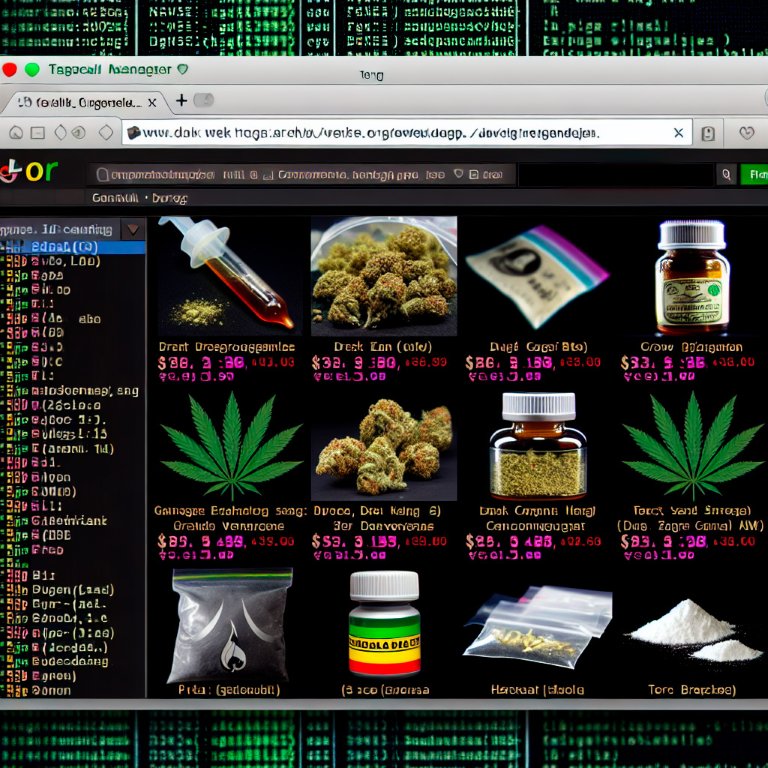
The product listings on a darknet market are its primary interface, functioning as a catalog of available goods. A standard listing includes a title, a detailed description, pricing in cryptocurrency, and the vendor's name. The title and description are typically precise, specifying the substance, its weight or unit count, and its purported purity or origin. For example, a listing may read "1g Cocaine HCl, 85 Purity, Dutch Source."
Product variety is extensive, catering to diverse consumer preferences. Listings are organized into categories such as Stimulants, Depressants, Psychedelics, and Prescription Medications. This categorization allows for efficient browsing. Within each category, options vary by:
- Compound type and chemical variant
- Dosage form (e.g., powder, crystal, tablet, blotter)
- Quantity, from personal-use amounts to bulk wholesale
- Geographic origin, which can influence perceived quality
The listing's multimedia components, such as product photographs, serve as a verification tool. Vendors often include images with handwritten signs displaying their shop name and the current date to prove possession of the inventory and to counter claims of reselling or fraud. This visual evidence supports the vendor's reliability.
Pricing structures are transparent and competitive. Markets facilitate direct comparison between vendors offering similar products, which encourages competitive pricing and value-for-money deals. A listing's price is fixed, but total cost includes shipping fees, which are clearly itemized before purchase. This system eliminates haggling and provides cost certainty for the buyer.
Effective navigation of these listings requires analyzing the provided data. The description's technical detail, the professionalism of the presentation, and the logical pricing relative to the market average are all indicators of a legitimate vendor. This environment transforms product discovery from a speculative endeavor into a structured, information-driven process.
How Your Order Ships from the Darknet
The shipping process on a darknet market is a refined operation designed for discreet delivery. Vendors employ sophisticated packaging techniques to ensure products arrive without drawing attention. Standard practice involves using vacuum sealing to eliminate odors, followed by mylar bags which are impermeable to x-ray scans. The final package is a decoy, often a common mailer or a mundane item, making it indistinguishable from regular post.
Logistics are handled with precision. Vendors use tracking numbers provided to the buyer after dispatch, allowing for order monitoring without compromising security. Shipping methods vary:
- First-class mail is common for domestic orders, balancing speed and cost.
- Priority shipping offers faster delivery times.
- International orders may use standard postal services with stealth packaging adapted to pass through customs.

How to Buy Safely on the Darknet
Making an informed purchase on a darknet market is a systematic process that relies on available data. The platform's structure is designed to facilitate this. User reviews and vendor ratings form the primary feedback mechanism. A vendor with a long history and thousands of positive transactions presents a lower risk profile than a new account. Reviews should be analyzed for consistency and detail; comments on product purity, shipping speed, and stealth packaging are more valuable than brief affirmations.
Product listings themselves contain critical data. Descriptions often specify the substance's source, chemical composition, or expected effects. Listing photographs frequently include a handwritten note with the vendor's name and current date, which acts as a basic authenticity check against stock images. The offered variety allows for direct comparison between different vendors' products and prices for the same item.
Financial security is managed through the escrow system. Funds are held by the market until the buyer confirms satisfactory receipt of the order. This mechanism aligns the vendor's incentive with successful delivery. Direct transactions without escrow are statistically riskier and are generally advised against, except with established, highly-trusted vendors. Payment is finalized using cryptocurrency, which provides a layer of financial privacy. The process requires sending the exact amount of Bitcoin or Monero to a unique, transaction-specific address generated by the market.
Communication should remain on the market's encrypted messaging system. This preserves the transaction's context and provides evidence in case of a dispute. Disclosing personal contact details or addresses in plain text negates the operational security provided by the platform. Shipping methods are detailed by the vendor. Standard mail is typical, with stealth packaging techniques being a standard service to prevent detection during transit. These methods are refined and effective, contributing to the high successful delivery rates reported in vendor feedback.
The final decision integrates these elements: a vendor with a strong reputation, clear product information, the security of escrow, and a clear understanding of the shipping process. This data-driven approach minimizes uncertainty and leverages the darknet market's built-in systems for secure trade.